MIGRAINE EDUCATION

Learn About Migraine

Plain-language education from the team that treats severe migraine every day.

The Library

Eight guides, from first questions to next steps

Start with the guide that matches your question. Each one takes about five minutes to read — no jargon without a plain-language explanation alongside it.
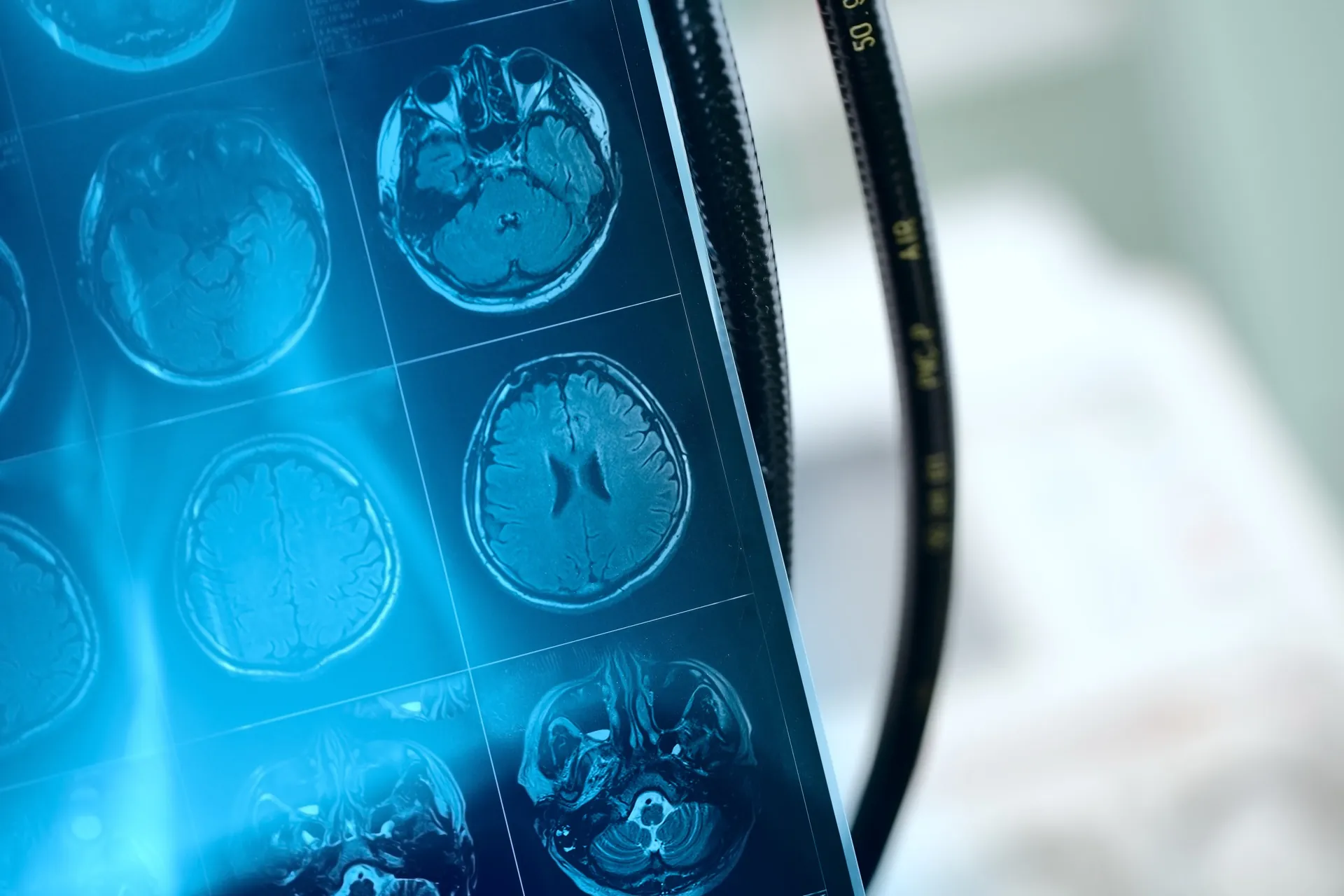
Types of Migraine
MIGRAINE TYPES

Types of Migraine

Migraine is not one condition. Learn the main types and how doctors tell them apart.

Read the guide
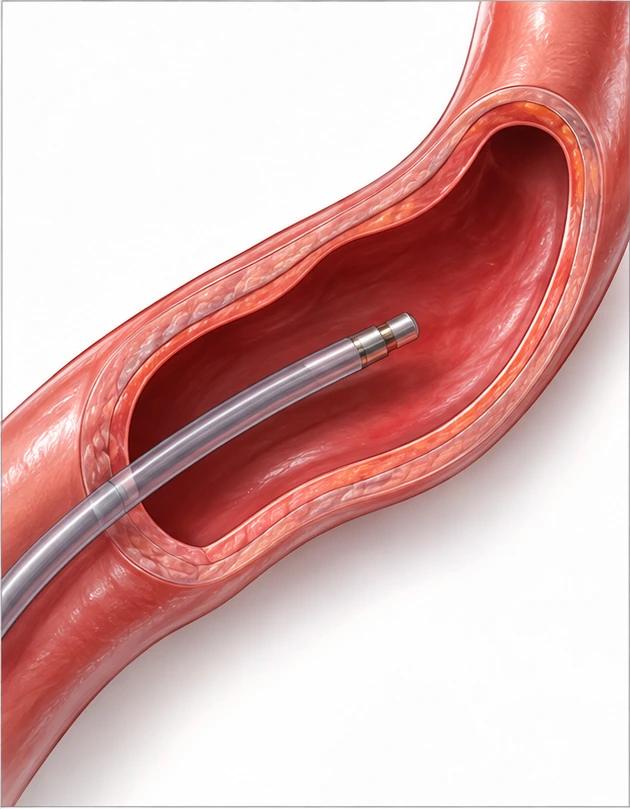
Migraine Triggers
TRIGGER GUIDE

Migraine Triggers

Sleep, stress, food, weather, hormones — how to find the triggers that actually affect you.
Read the guide
Migraine Treatments
TREATMENT LANDSCAPE

Migraine Treatments

From pills to preventives to procedures — a plain-language map of today’s options.

Read the guide
When to See a Doctor
RED FLAGS

When to See a Doctor

Symptoms that need emergency care right now — and signs it is time to see a specialist.

Read the guide
Migraine in Women
HORMONES & MIGRAINE

Migraine in Women

Periods, pregnancy, and menopause — how hormones shape migraine across a woman’s life.

Read the guide
Living with Migraine
DAILY LIFE

Living with Migraine

Work, family, sleep, and exercise — practical habits that make attacks less likely.
Read the guide
The MMA Pathway
THE SCIENCE

The MMA Pathway

The middle meningeal artery (MMA), the dura — the membrane surrounding the brain — and why this pathway drives migraine pain.

Read the guide
Glossary
TERMS

Glossary

Plain definitions for the medical terms used across this site.

Read the guide
What to Expect at Cortex

Four steps, one coordinated team

While you read, here is what the journey actually looks like — from the first consultation to structured follow-up.

1

Your first consultation

You’ll meet with a specialist who reviews your migraine history, your imaging, and everything you’ve already tried — then maps the full pathway with you, from preventive medications to TEMMA®.

2

The lidocaine test day

The test follows the same steps as a standard diagnostic angiogram — a small catheter through the wrist or groin, a small dose of lidocaine delivered to the middle meningeal artery, then a 90-minute monitoring window. Positive or negative, you go home the same day.

More about the lidocaine test
3

Procedure day

The embolization itself takes about 40 minutes. Plan for about 4 hours total on procedure day, including preparation and recovery — then rest 1–2 hours and go home the same day with simple instructions.

More about TEMMA®
4

Follow-up

You keep a daily headache diary while we follow up over the coming months, with structured follow-up out to 12 months — so your improvement is measured precisely, not just felt.

Still have questions?

Our team answers every one before anything is scheduled.